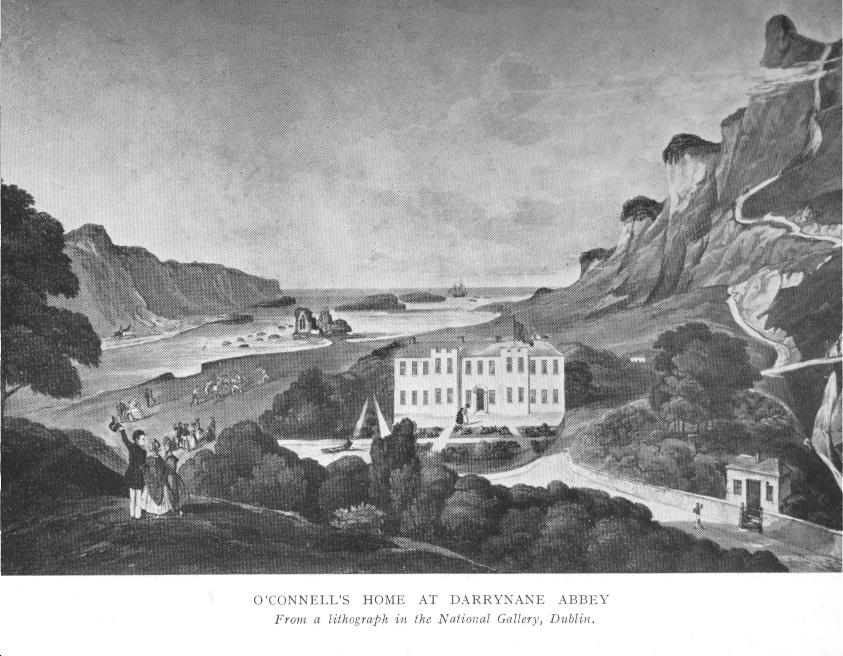
Derrynane House
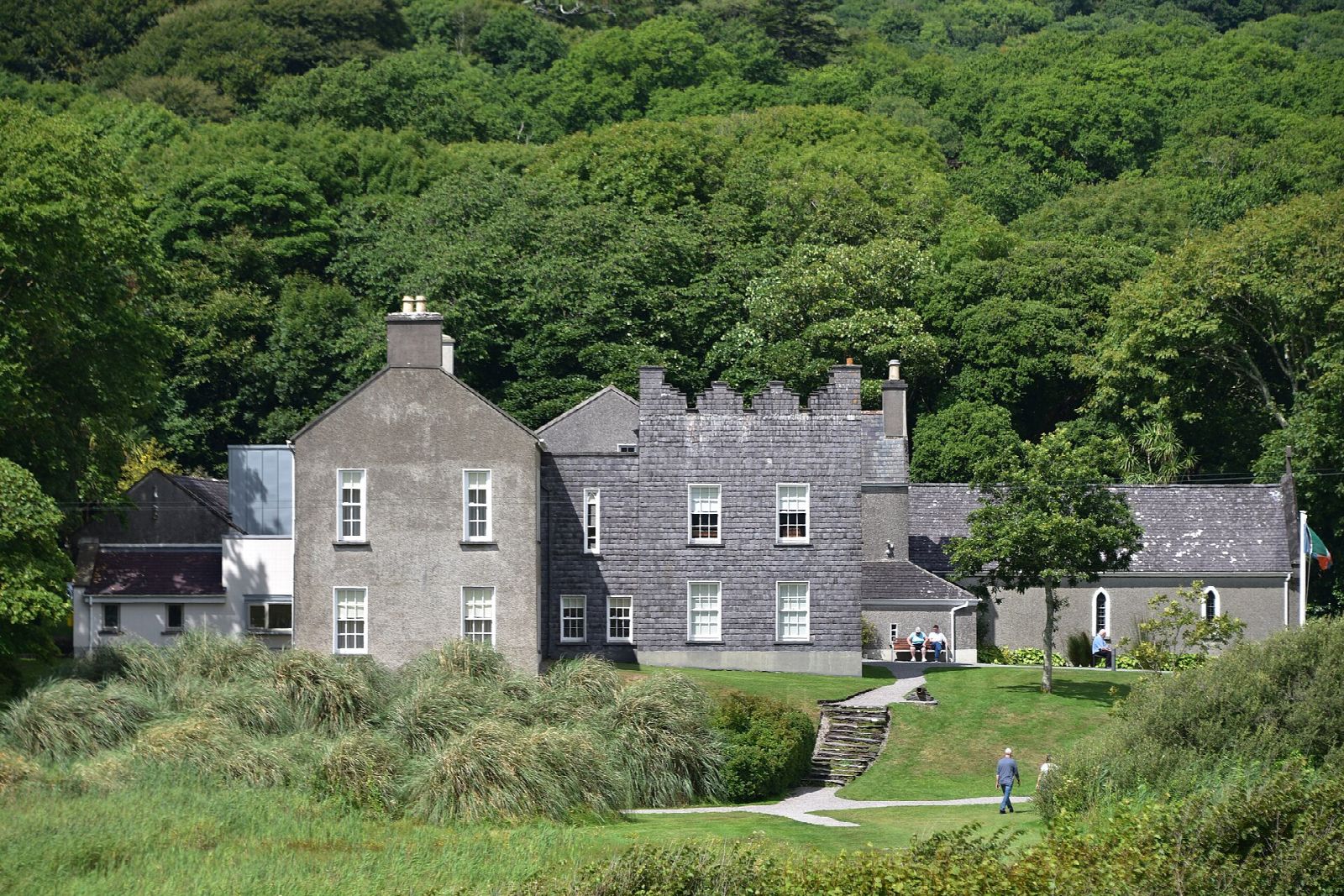
Ancestral home of Daniel O'Connell - 'The Liberator', who won Catholic Emancipation in 1829 - Derrynane House sits in its own wild coastal park near Caherdaniel. Built on a smuggling fortune and lovingly restored as a museum, it holds the great man's furniture, personal relics and the triumphal chariot Dublin's citizens gave him, ringed by dunes, woodland and open Atlantic shore.
Tucked at the end of a narrow lane below the coast road near Caherdaniel, a few kilometres off the Ring of Kerry, Derrynane House was the home Daniel O'Connell loved above all others. The oldest part dates to the early 1700s, when his grandparents built here on a sheltered inlet far from prying eyes - and far from the reach of the Penal Laws that then hemmed in Catholic families. That remoteness was the making of the O'Connells. Daniel's uncle, Maurice 'Hunting Cap' O'Connell, ran a lucrative smuggling trade from these coves, shipping butter and hides out to France and Spain and landing tea, wine and brandy in return. It was that fortune, not any inheritance of rank, that paid for young Daniel's schooling on the Continent and his training for the law.
Childless himself, Hunting Cap raised his nephew as heir, and Daniel repaid Derrynane with a lifetime's affection, adding the south wing and library in the 1820s and a small chapel - modelled on the ruined abbey visible across the strand at Derrynane Beach - two decades later. From here he wrote, walked, hunted with his beloved hounds, and returned whenever the campaigns for Emancipation and Repeal allowed. The house you visit today was restored and opened to the public in the 1960s, and it wears its history lightly.
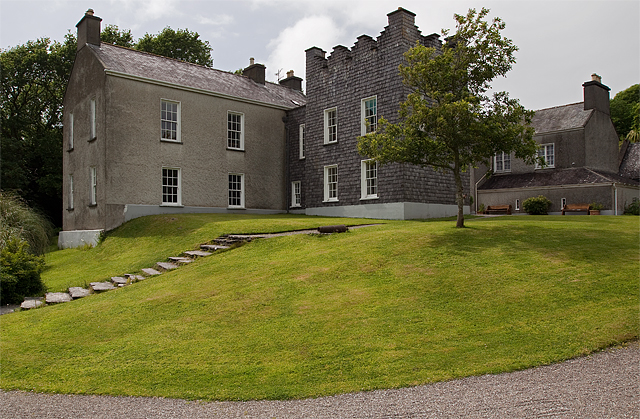
Inside, the rooms are furnished much as the family kept them, crowded with portraits, letters and personal effects. Two objects stop most visitors: the great gilded chariot in which the citizens of Dublin drew O'Connell through the streets in triumph after his release from prison in 1844, and the bed in which he died at Genoa in 1847, on a last journey toward Rome. A short audio-visual film fills in the life, and there is a café for afterwards.
The real pleasure, though, is that the house is only the heart of a much larger estate. Derrynane National Historic Park spreads over a hundred hectares of dunes, woodland and coastline, threaded with easy walking and cycling trails that lead down to the sand and, at low water, out to Abbey Island. Give it a couple of hours if you can - an hour for the rooms, and as long again for the shore.
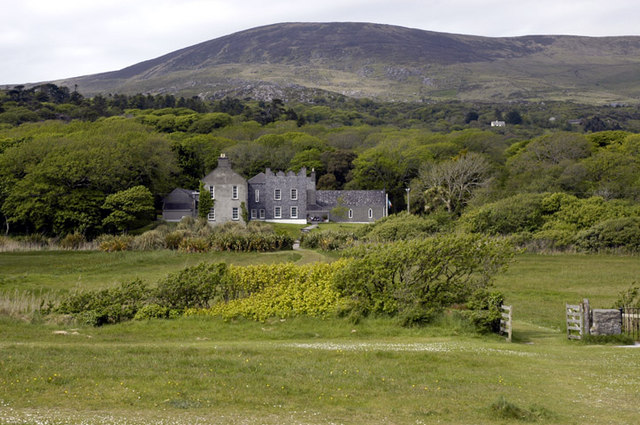
Derrynane opens daily from roughly mid-March to the start of November, with a small admission charged by the Office of Public Works; the car park is free. It pairs naturally with the beach below and with Staigue Fort a little further east, and the high pull-in at Coomakista Pass looks straight down over the whole estate as you approach from Waterville.
Photos