Valentia Island
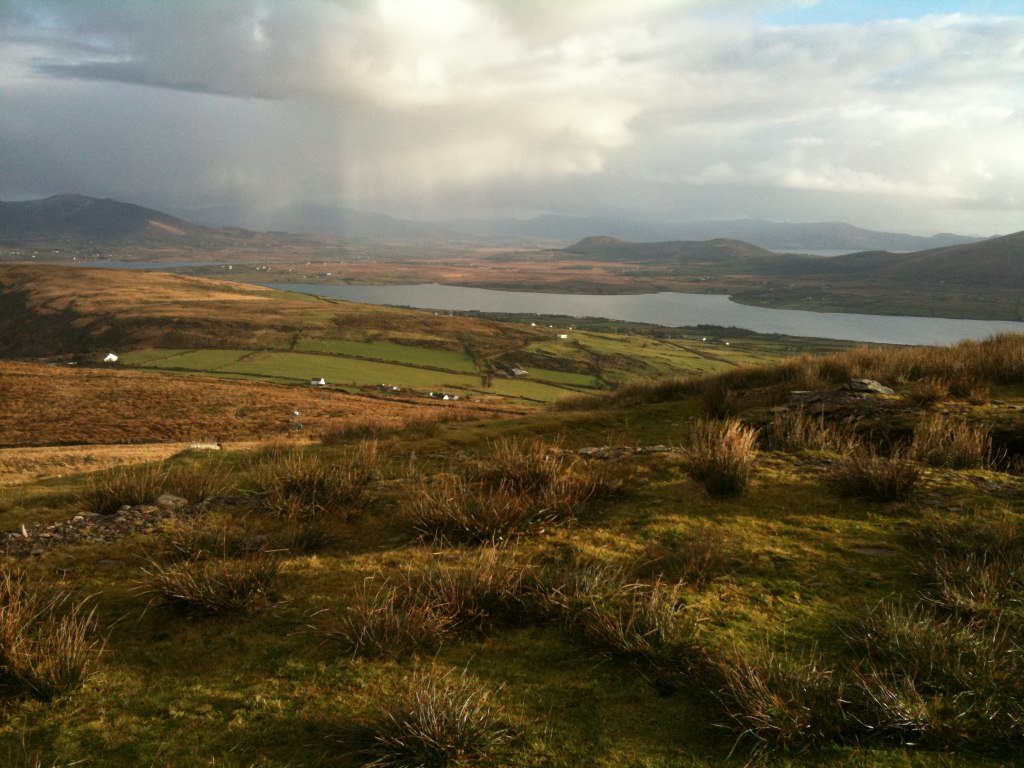
An island of surprising consequence off the tip of the Iveragh Peninsula, reached by a bridge at Portmagee and a summer ferry from near Cahersiveen. From here the first lasting telegraph cable crossed the Atlantic in 1866; here, too, some of the oldest known footprints of a land animal are set in stone. Slate, science and sweeping views in one small place.
For all its remoteness - this is very nearly the westernmost scrap of Ireland - Valentia has left an outsized mark on the world. Seven miles long and reached across a bridge from Portmagee, or in summer by the little car ferry that shuttles over from Reenard Point near Cahersiveen, the island rewards a slow half-day of pottering between improbable landmarks.
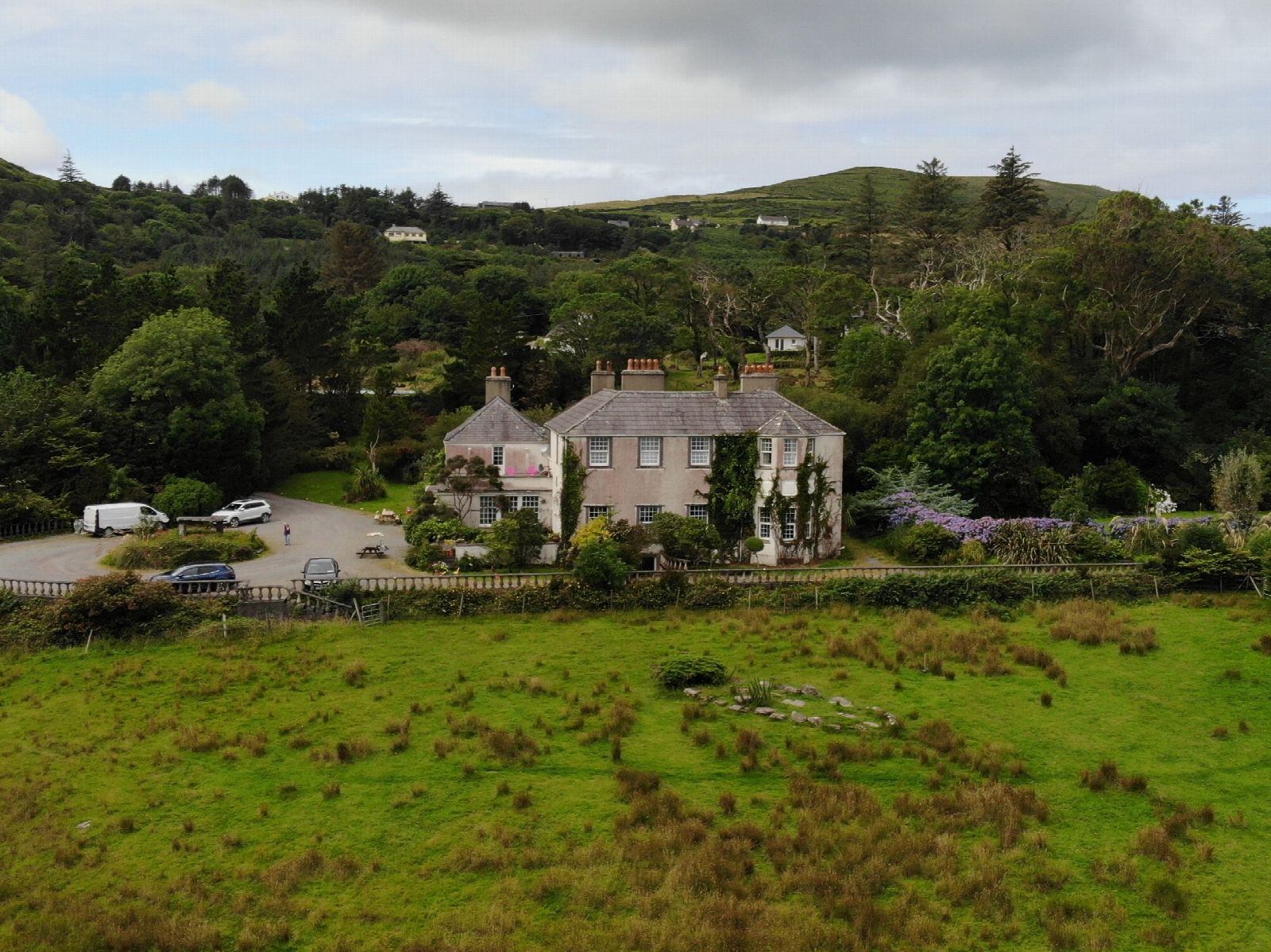
The headline story is the transatlantic telegraph. After years of failed attempts and snapped cables, it was from Valentia in 1866 that a working line was finally laid across two thousand miles of ocean floor to Heart's Content in Newfoundland, collapsing the time a message took to cross the Atlantic from a fortnight to minutes. An earlier cable in 1858 had worked just long enough for Queen Victoria and the American president to exchange greetings before it failed; the 1866 line was the one that held. Contemporaries hailed it as a wonder of the age, and the island stayed a hub of global communication until the station closed in 1966. The old Cable Station and the island's heritage centre tell the tale.
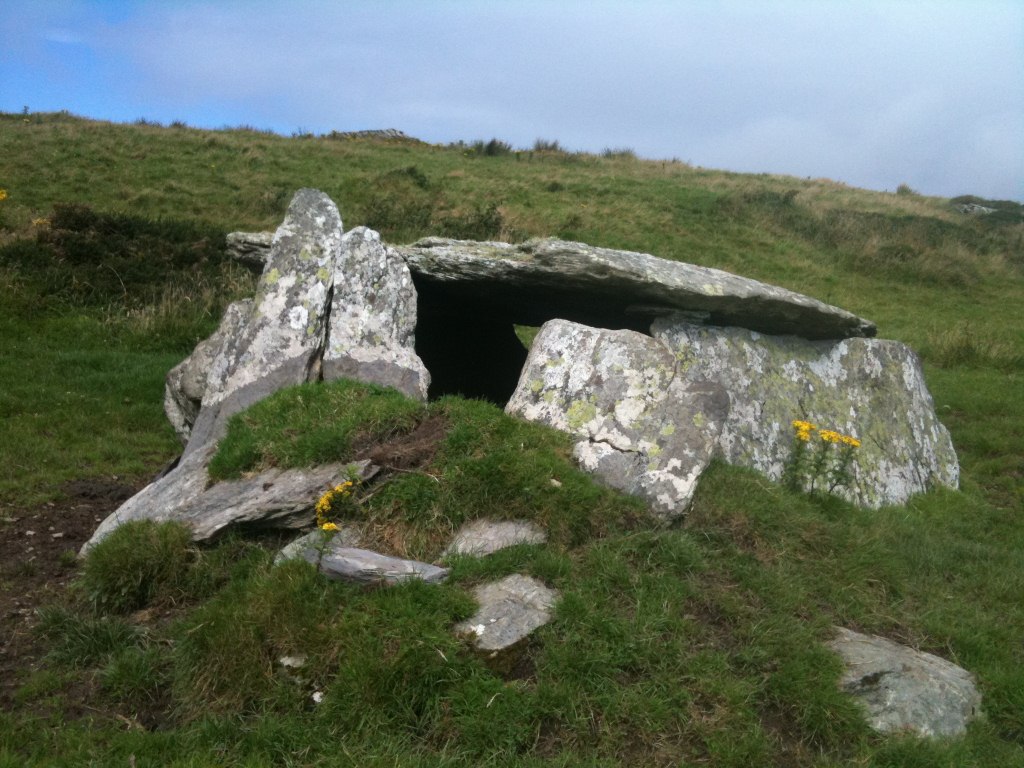
That is not even Valentia's oldest claim. In 1993 a student noticed a curious line of dimples in the coastal slate near Dohilla - the trackway of a tetrapod, one of the first creatures to haul itself out of the water and walk on land, pressed into what was then tropical mud some three hundred and eighty-five million years ago. It is among the oldest such trackways known anywhere, and you can visit it, free, on the shore. The same slate made the island's fortune in a more commercial way: the quarry that opened in 1816 sent Valentia slate as far as the roof of the Palace of Westminster in London, and its dramatic cavern, now sheltering a grotto shrine, can still be visited. It is a fittingly strange souvenir for an island that keeps surprising you.
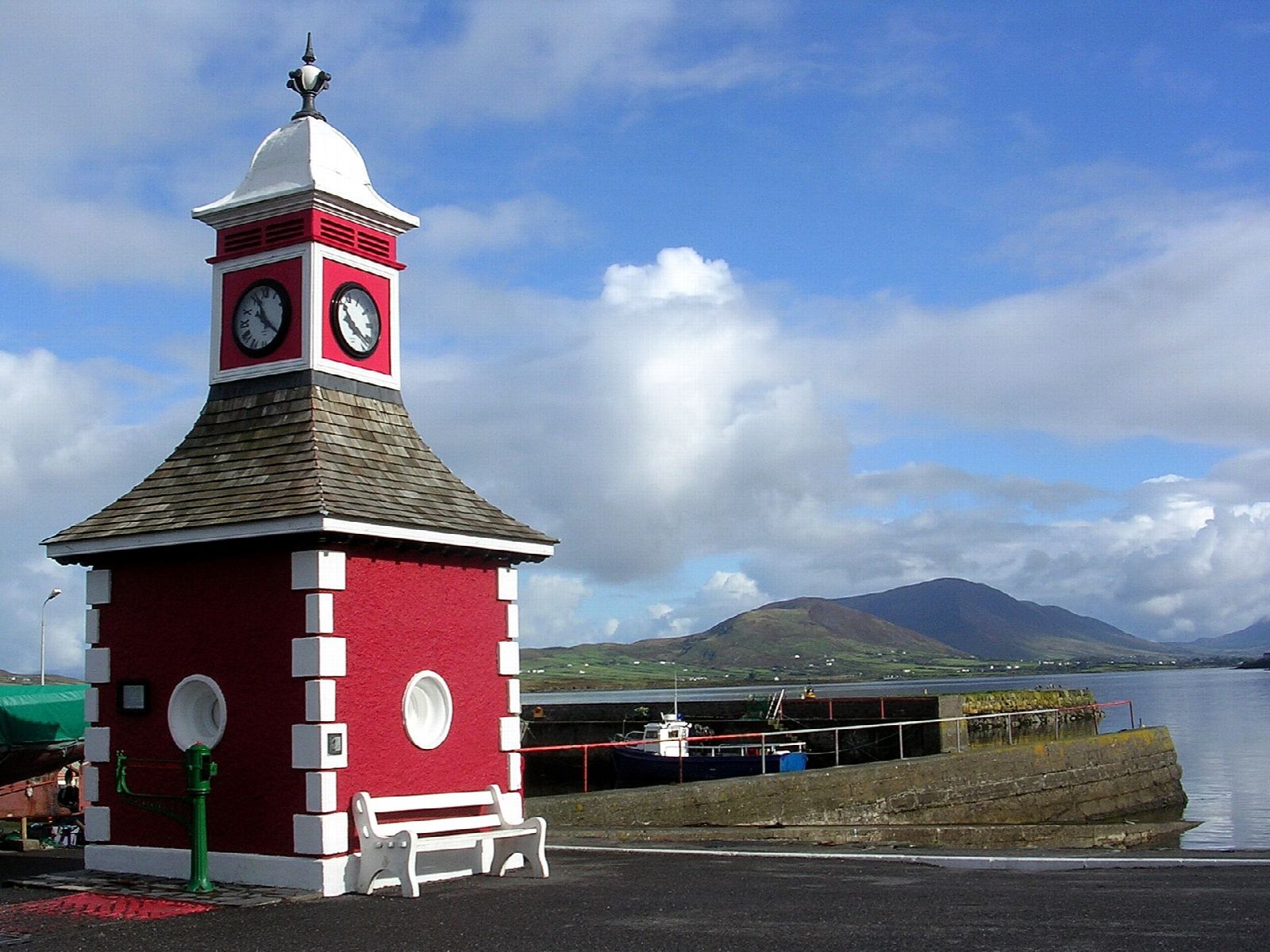
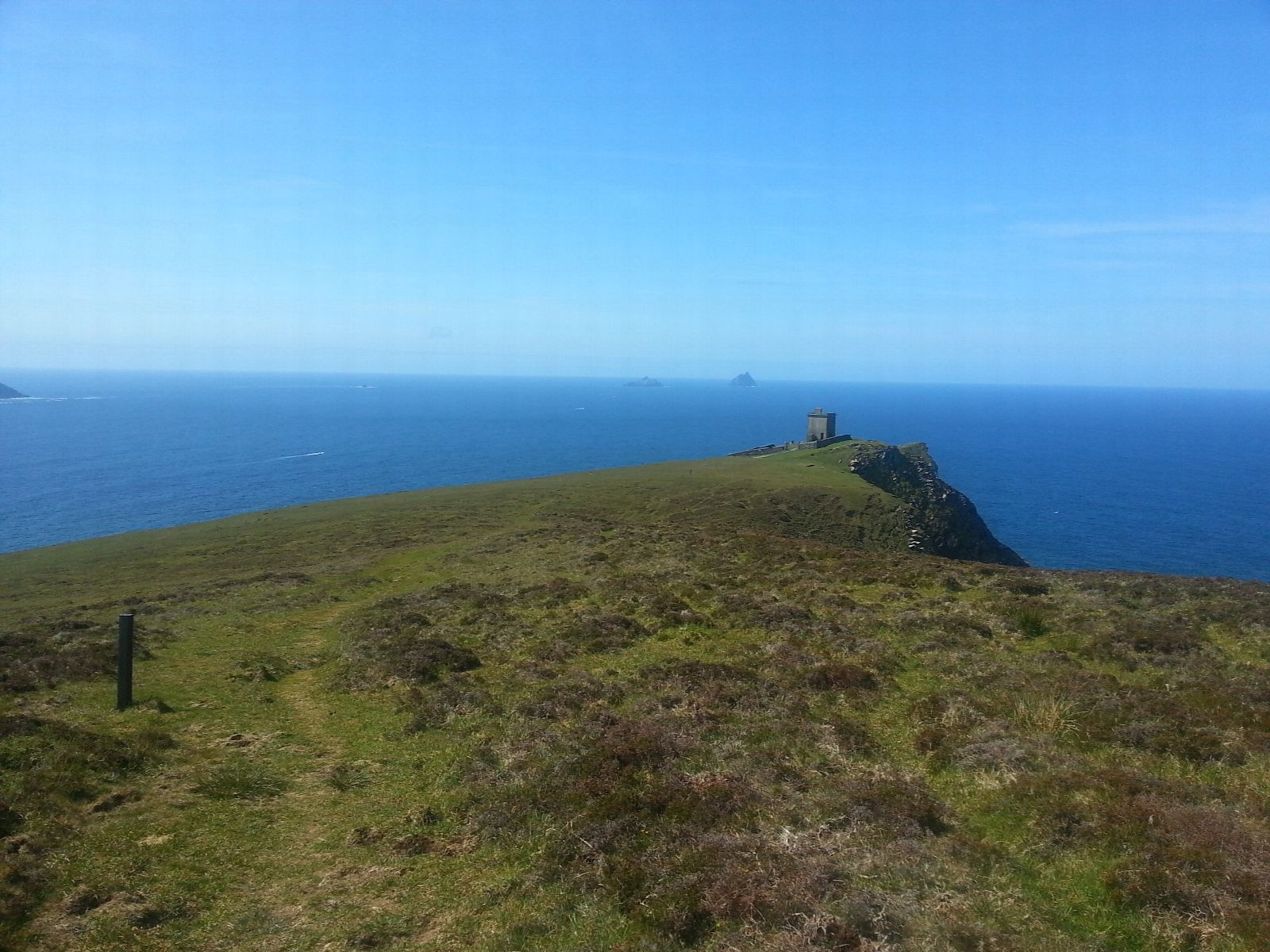
Beyond the history there is simply the place. Knightstown, the trim little harbour village guarded by an old lighthouse at the channel mouth, makes a natural base; from it roads climb to Geokaun Mountain, the island's highest point and easiest big view, and to the wind-blasted cliffs and signal tower of Bray Head. In summer the harbour bustles with anglers and divers, and a few Skellig boats even sail from here rather than from Portmagee; walkers, cyclists and rock-poolers all find their corner.
A practical note or two: the bridge from Portmagee is free and open all year, so the island is never truly cut off, but the Reenard ferry runs only through the warmer months - roughly spring to autumn - so check before relying on it out of season. And if the name rings a bell from the shipping forecast, that's this Valentia, though the weather station that lends it its voice long ago moved to the mainland at Cahersiveen.
Photos