A Guide to Killarney National Park
Before you even reach the Ring of Kerry proper, Killarney National Park makes the case for lingering a day. Ireland's first national park, created in 1932, wraps some twenty-five thousand acres of lake, ancient woodland and mountain around the edge of Killarney town - and unlike much of the peninsula, most of its highlights lie within a few miles of one another.
The great house and the abbey
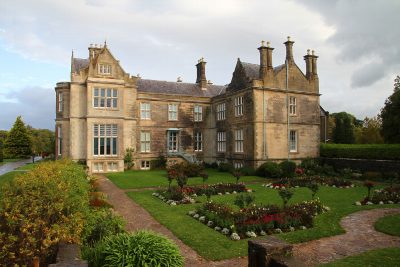
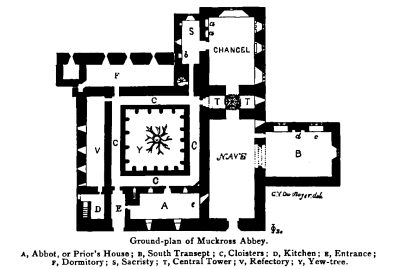
The heart of the park is Muckross House, a 65-room Victorian mansion whose 1932 gift to the nation created the park itself. Its furnished rooms, gardens and traditional farms are the single best half-day in the area. A short woodland walk away stand the roofless walls of Muckross Abbey, a remarkably complete fifteenth-century friary with an ancient yew growing at the centre of its cloister and the graves of great Gaelic poets in its churchyard.
Water and stone
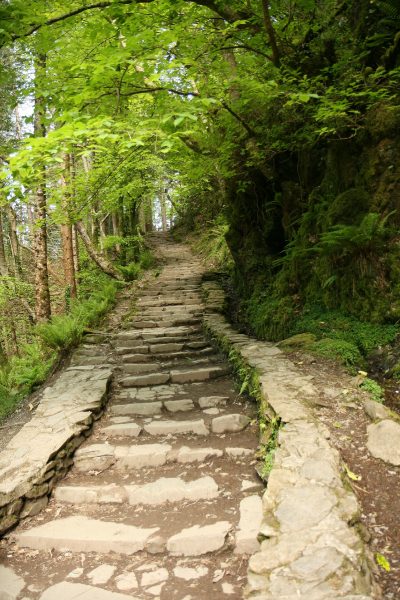
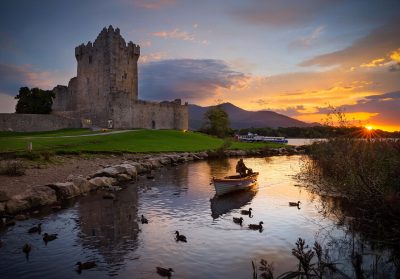
For a stretch of the legs, the short path to Torc Waterfall leads through mossy oak wood to a twenty-metre cascade, with a stone stairway climbing to a view over the lakes. On the lakeshore itself, Ross Castle - a fifteenth-century O'Donoghue tower house and the last stronghold in Munster to fall to Cromwell - is shown by guided tour and is the departure point for boats onto Lough Leane.
Into the mountains
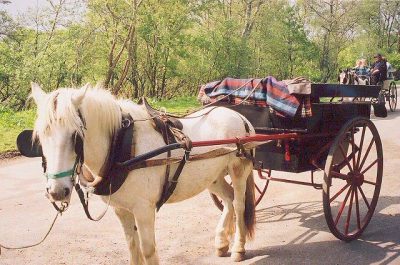
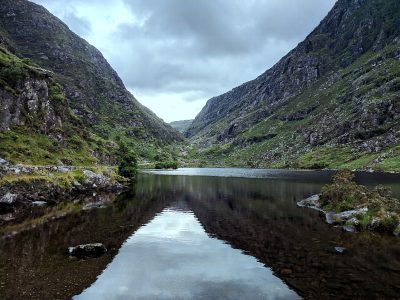
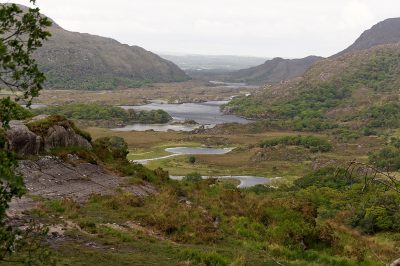
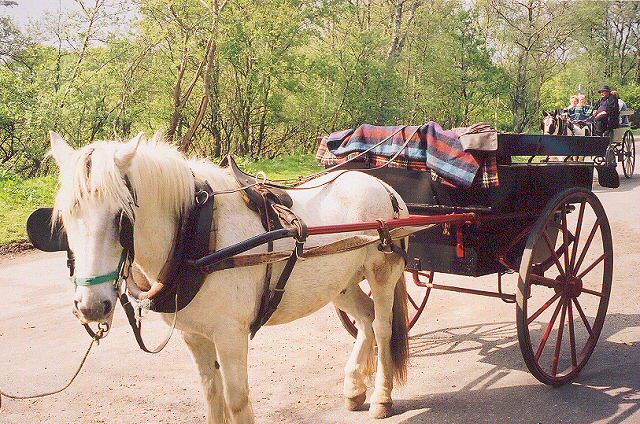
Two of the park's grandest experiences lie a little further out. The Gap of Dunloe, a glacier-carved pass strung with lakes, is best explored on foot, by bike or by horse-drawn jaunting car. And on the N71 heading south, the overlook at Ladies View gives the classic panorama over the whole lake valley.
Practicalities
Entry to the park is free, with car parks at Muckross, Torc and Ross Castle, and much of it is walkable or cyclable from the town. Give it a full day if you can, start early to beat the coaches, and save the individual house and castle tickets for the sites you most want to see inside.