Killarney National Park
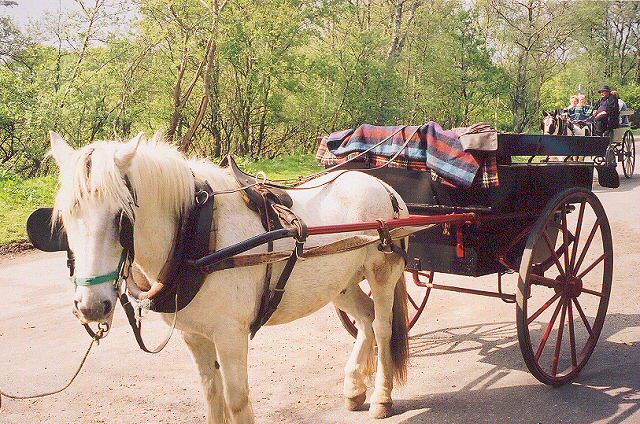
Ireland's first national park, established in 1932, Killarney sprawls across some 25,000 acres of lake, mountain and ancient woodland on the edge of Killarney town. It shelters the country's largest remnant of native forest and its only wild herd of native red deer, a landscape of oakwoods, yews and glittering water that has drawn travellers for centuries.
Wrapped around the three Lakes of Killarney and climbing into the mountains behind them, Killarney National Park covers roughly twenty-five thousand acres of lake, bog, woodland and crag on the southern edge of Killarney town. It became Ireland's first national park in 1932, when the Bourn and Vincent families handed the Muckross estate - the great house, its gardens and some eleven thousand surrounding acres - to the young Irish state. Later purchases enlarged it, but that founding gift is still the heart of the park.
People have been drawn to this valley for a very long time - Bronze Age miners were working the copper of Ross Island four thousand years ago. The land they left behind now shelters some of the most important habitats in the country: ancient oak forest, and dim, mossy yew woods including Reenadinna, reckoned one of only a handful of pure yew woodlands in all of Europe. UNESCO named the whole landscape a biosphere reserve in 1981. Managed today by the National Parks and Wildlife Service, it is that rare thing - a genuine wilderness on the doorstep of a busy tourist town.
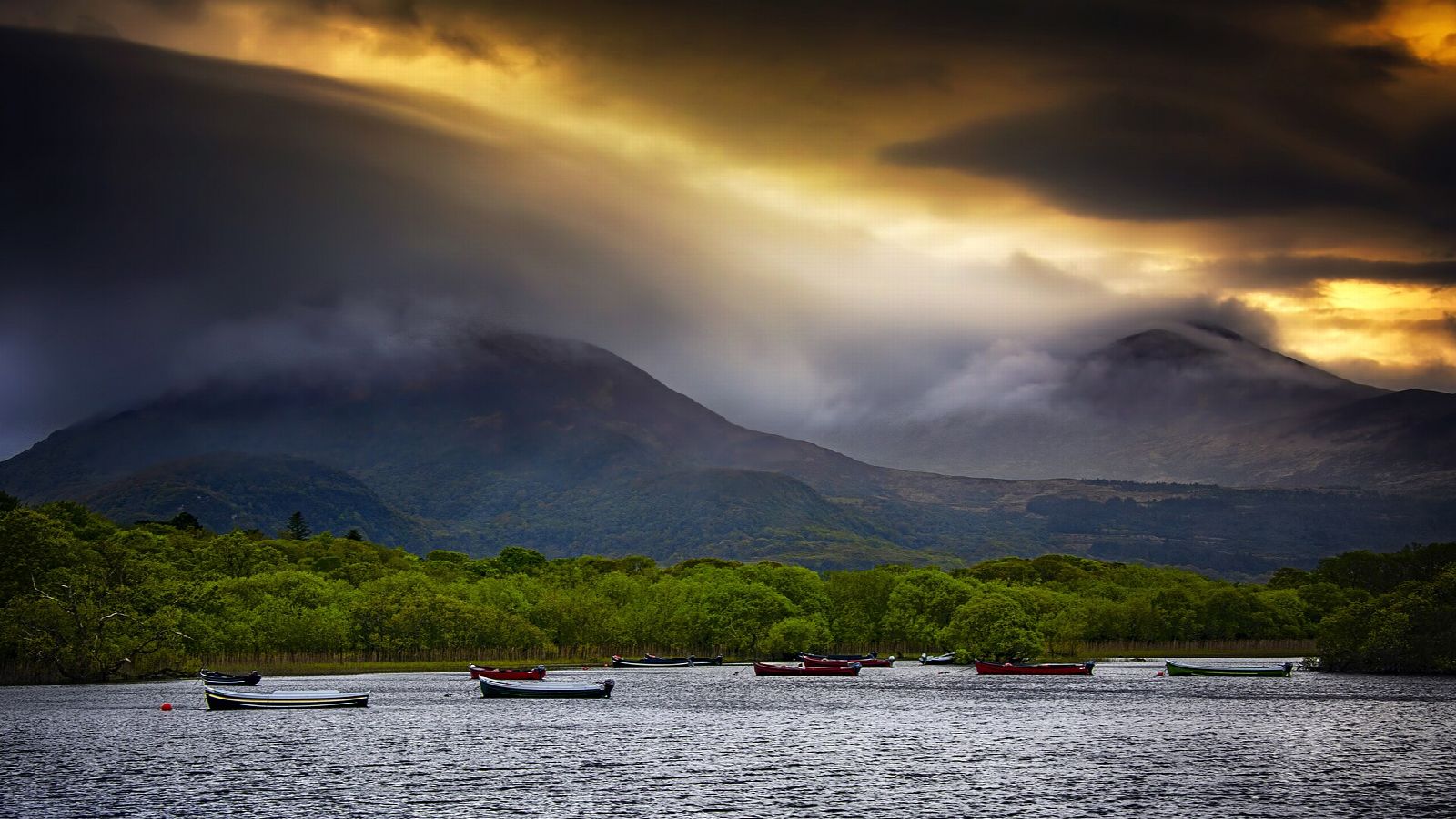
The park rewards the casual stroller and the serious hillwalker alike, and much of its pleasure lies in the water. Lough Leane, Muckross Lake and the Upper Lake lie linked in a chain beneath Mangerton, Torc and Purple Mountains, and everywhere you turn there is some new arrangement of reflected peak and wooded island. Waymarked trails thread the forest, jaunting cars and open boats work the lakeshore, and cyclists loop the quiet lanes around Muckross. A herd of native red deer, several hundred strong, grazes the open ground, and patient birdwatchers can log well over a hundred species. In autumn the oaks turn and the stags roar across the valley in the rut; in spring the woods fill with wood anemone and the first returning warblers.
Nearly everything worth seeing on this corner of Kerry sits inside the park's boundary. The Victorian splendour of Muckross House and the roofless friary beside it stand within an easy walk of one another; a fifteenth-century tower house keeps watch over an inlet of Lough Leane; and the graceful cascade of Torc Waterfall is a short, steep climb from the Kenmare road, which winds on up to a famous overlook of the lakes. It is, in short, less a single attraction than a whole day's worth of them, stitched together by lake and forest.
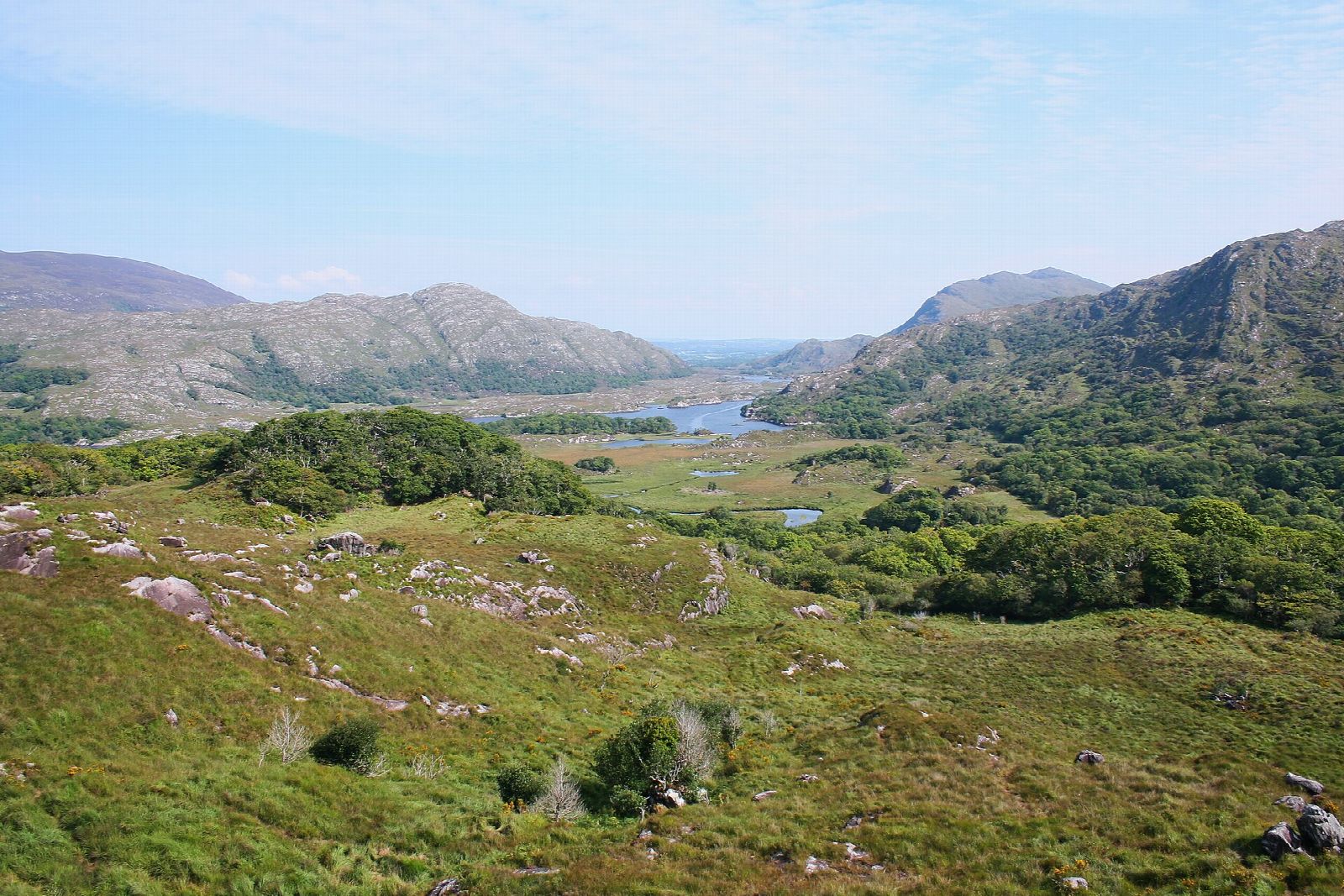
The main entrances all lie a few minutes from the town centre, signposted off the N71 towards Kenmare. Entry to the park itself is free, with car parks at Muckross, Torc and Ross Castle and a visitor centre open from mid-morning. You could skim the highlights in an afternoon, but the place repays a full day or several; late spring through autumn is the loveliest window, and an early start buys you both the wildlife and the quiet before the coaches arrive.
Photos
What's on here
All events →Featured in these guides
- A Guide to Killarney National Park
- Torc Waterfall, Killarney: The Falls, the Steps and the Walks Above
- The History of Muckross House and Estate
- The History of Muckross Abbey, Killarney
- Climbing Carrauntoohil: Every Route Up Ireland's Highest Mountain
- Ring of Kerry Stops in Order, Anticlockwise from Killarney
- How to See the Ring of Kerry in One Day