Killarney
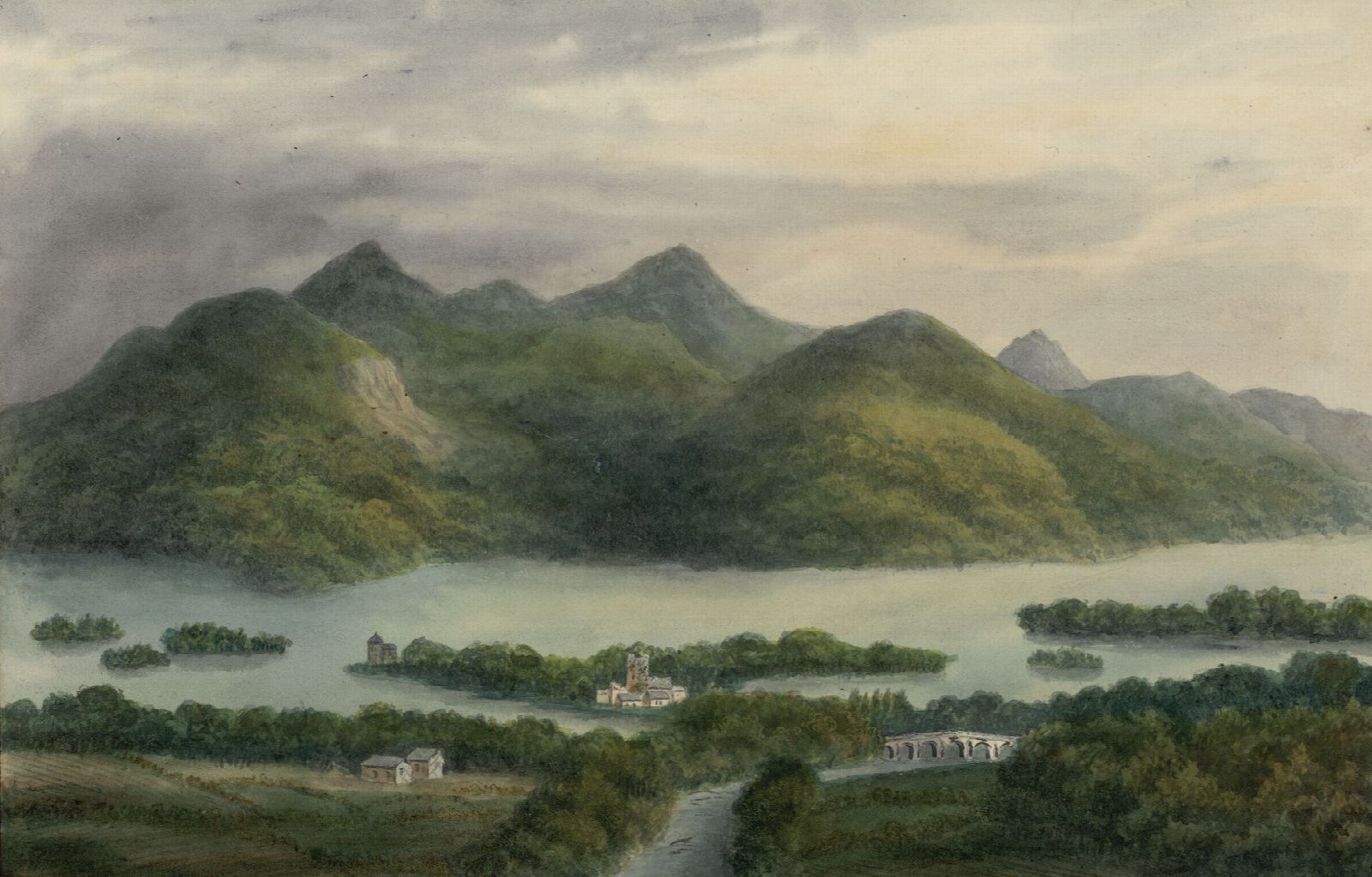
Kerry's busiest tourist town and the gateway to its national park, Killarney is a colourful, compact place on the shore of Lough Leane. It has been welcoming visitors since the eighteenth century, and the railway and a royal visit made its name across Victorian Europe. Today it is the natural base for the lakes, the mountains and the Ring of Kerry itself.
Killarney owes its existence, more or less, to the view. The town grew up in the middle of the eighteenth century when Thomas, the fourth Viscount Kenmare, set about drawing visitors to the extraordinary scenery on his doorstep - the lakes, the woods and the mountains that would later become Killarney National Park. By the standards of Irish towns it is a young place, laid out quite deliberately as a resort, and it has been in the business of hospitality ever since.
Two things fixed its fame. The railway reached Killarney in 1853, and almost overnight the trickle of travellers became a flood - the handful of hotels multiplying within a year. Then, in 1861, Queen Victoria came to stay, and her visit placed Killarney firmly on the Victorian grand tour, a name known to genteel travellers across Europe. The souvenir trade that grew up around them even produced its own craft, the inlaid arbutus-wood 'Killarney furniture' prized by nineteenth-century visitors.
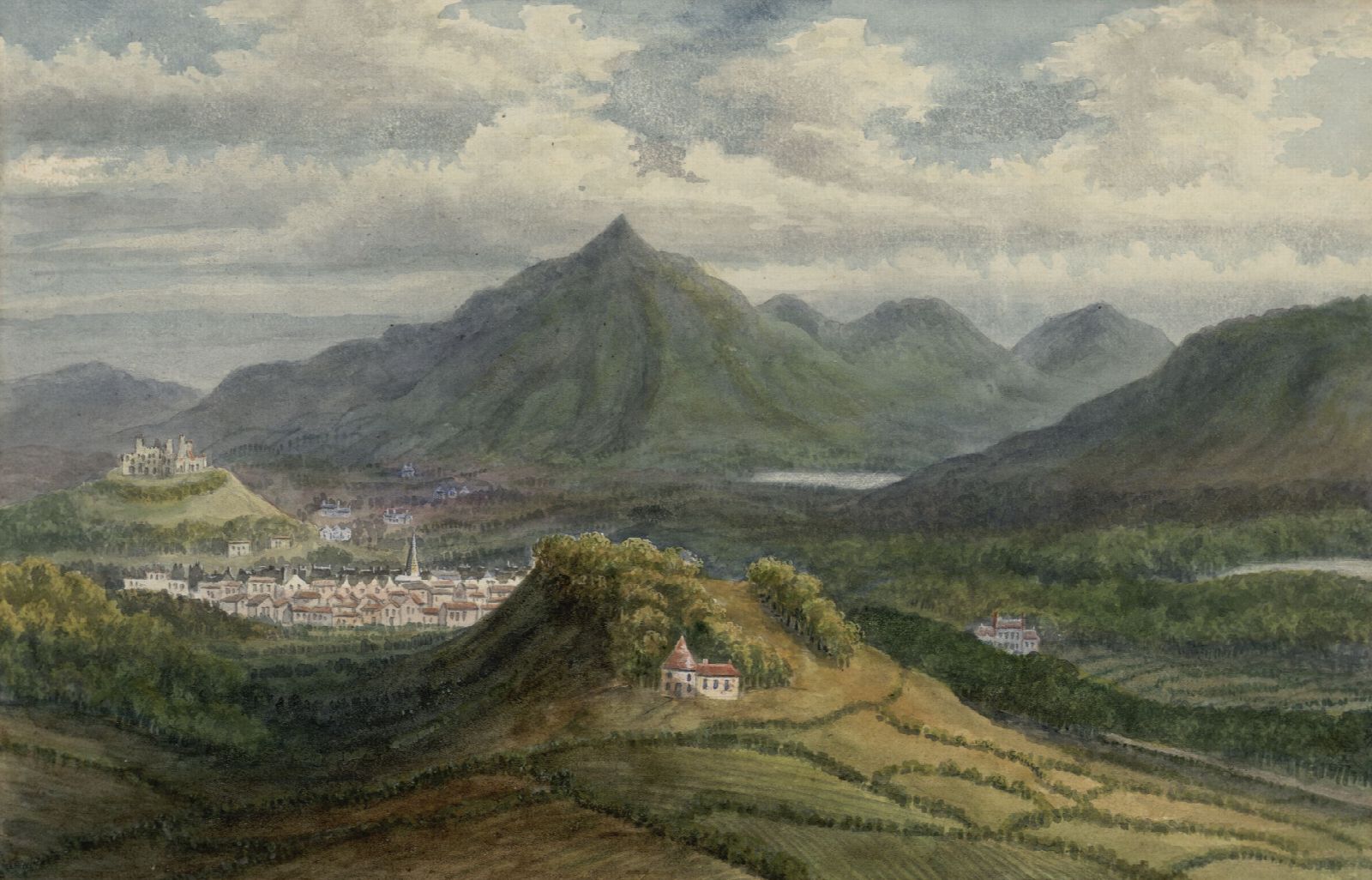
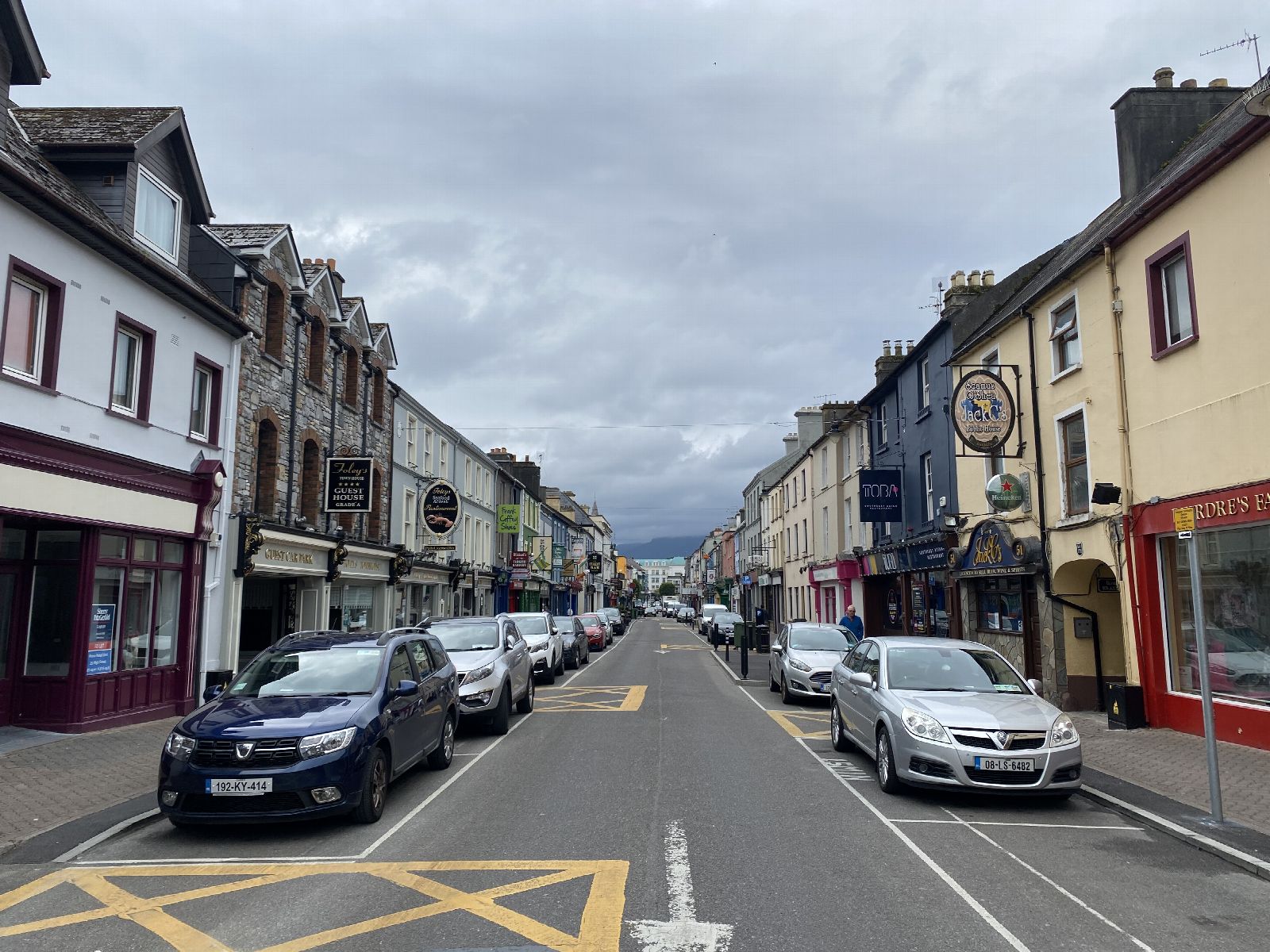
For all its long history the town remains, first and foremost, a base. From its streets you can strike out to Ross Castle on the lake, to the grand rooms of Muckross House, to Torc Waterfall and the Gap of Dunloe, or set off around the Ring of Kerry proper. The town itself is easily walked: a knot of colourful shopfronts and pubs, the soaring Gothic Revival cathedral of St Mary's, and, waiting at the edge of the centre, the horse-drawn jaunting cars whose drivers - the jarveys - have been carrying visitors out towards the park for generations.
Killarney is well connected, with its own railway station and good roads in from Cork and the wider peninsula, and the compact centre makes it an easy place to stay put and explore outwards. Most people use it as a base for a night or two; the town is free to wander, with the individual attractions charging separately. High summer, and July and August in particular, brings the biggest crowds, so the shoulder seasons are quieter and often kinder for it.
Photos
What's on here
All events →-
Oct
15
2026
Kerry International Film Festival
15-18 October 2026Kerry's film festival returns to Killarney for its 27th edition, 15 to 18 October: Irish and international features, documentaries, shorts and industry talks.
-
Apr
23
2027
PJ O'Riordan Ring of Kerry Vintage Run
Expected 23-25 April 2027The Kingdom Veteran Vintage & Classic Car Club drives a convoy of vintage and classic cars around the whole Ring of Kerry on a Saturday in late April. Watching it costs nothing.
-
Jun
4
2027
Ireland BikeFest Killarney
4-6 June 2027Thousands of motorcycles descend on Killarney for the June bank holiday weekend. 2026 is the 20th year.
-
Jul
4
2027
Ring of Kerry Charity Cycle
Expected 4 July 2027About 6,000 cyclists ride the full 170 km loop in a day, starting and finishing in Killarney. Worth knowing about even if you are driving.
-
Aug
20
2027
Killarney Races
Expected 20-22 August 2027Three days of racing at what is routinely called Ireland's most scenic racecourse, a twenty minute walk from the middle of Killarney. The Kingdom Gold Cup is the feature.
-
Aug
29
2027
The Hardman Killarney
Expected 29 August 2027A long-course triathlon that swims in the Lakes of Killarney and cycles a long stretch of the Ring. Worth knowing about if you are driving that day.
Featured in these guides
- The Complete Ring of Kerry Driving Itinerary
- Torc Waterfall, Killarney: The Falls, the Steps and the Walks Above
- The History of Muckross House and Estate
- The History of Muckross Abbey, Killarney
- Climbing Carrauntoohil: Every Route Up Ireland's Highest Mountain
- Ring of Kerry Stops in Order, Anticlockwise from Killarney
- How to Cross the Gap of Dunloe: Every Way Through